Age-Friendly Homes
Choosing home features that age with you
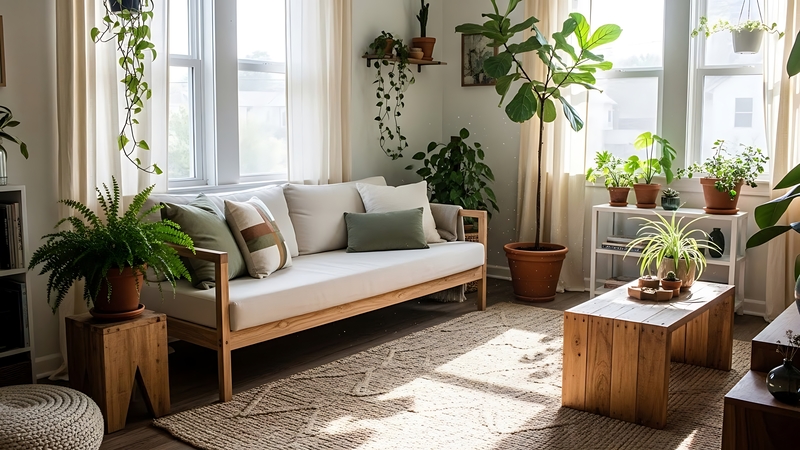
An age-friendly home goes beyond simple accessibility. Their wellness features make life pleasant, restful, and healthy. Renovation pro Peter Chambers explains.
The best age-friendly homes feel warm, beautiful, and deeply personal instead of feeling clinical. These homes have wellness features built into them to make it easier for you to move, rest, and maintain healthy routines. By designing with the future in mind, you are investing in the quality of your daily life.
Bring nature inside for emotional restoration
Nature makes a space feel deeply restorative. According to the National Park Service, living within 0.5 miles of greenspaces reduces mental distress and anxiety while boosting cardiac and metabolic health. That makes biophilic design, or the intentional incorporation of natural elements into design, particularly helpful in supporting you as you age.
Here are some age-friendly home features to consider:
- Large leafy plants in empty corners where they won’t block walkways or turning space
- Small potted plants near windows
- Plant-filled shelves to make gardening easy on your back and knees
- A small herb garden on the kitchen windowsills
- Low-maintenance plant varieties
Choose plants that are easy to reach, water, and maintain so they add calm without creating extra strain.
Other biophilic design elements you can also add to your home include natural wood, stone, botanical patterns and natural textures. These additions make your home feel like part of the natural world.
10 Low-Maintenance Houseplants for Your Indoor Oasis
Maximize natural light to elevate your mood
Natural light can influence how a room feels and how connected you feel to the outdoors. It also helps you receive Vitamin D and lower utility costs due to less reliance on artificial light. Bring in more sunlight through larger windows, glass doors, light-colored surfaces, mirrors, and open interior layouts. Skylights, in particular, provide ample light and create a strong visual connection with the sky from your home.
In addition to natural light, you should incorporate other lighting features for your comfort. Task lighting is good for areas you frequently use, such as a kitchen or study, because it reduces eye strain and makes everyday activities safer. Low-level lighting is good for illuminating pathways at night, while ambient lighting aids in relaxation.
Design seamless outdoor transitions for wellness
Set up a yoga, stretching, or meditation area near a patio door, a large window, or a garden view to enjoy natural light and calming scenery. A level walkway, sturdy seating, and a shaded outdoor spot provide more flexibility to stretch or relax outside when the weather allows.
Wellness practices such as Hatha yoga and deep breathing can improve sleep quality and attention. Reap the benefits of these activities by creating a dedicated wellness space, which is easier to maintain when you have the space. Make sure the space is uncluttered so you can easily move, stretch, meditate, and reflect here.
The important thing is that the area is highly visible and convenient. Keep a yoga mat, a comfortable cushion, resistance bands, and other equipment nearby. This helps you easily begin each session with ease.
Curate personal gallery walls for cognitive health
Your home should tell your story and your life. Instead of filling every wall with generic artwork, opt for personal photographs, souvenirs from your travels, art from a loved one, and other meaningful objects. These mementos will be wonderful conversation starters when family and friends visit.
Also, they can boost dopamine levels as you look back on fond memories. Nostalgia has a powerful, measurable effect on happiness. It can provide comfort, reinforce identity, and help you find meaning in your day-to-day life. Personal design can support your emotional well-being while ensuring your immediate surroundings reflect who you are.
Plan your long-term wellness sanctuary
The smartest age-friendly home goes beyond installing accessibility features. It’s the home that continues to serve you, your priorities, abilities, and routines through seamless design. It can mean installing better lighting, creating a peaceful garden, or clearing clutter to aid in movement.
Peter Chambers is an associate editor at Renovated and a home improvement writer who specializes in helping homeowners age gracefully. With expertise in accessibility modifications, aging-in-place renovations, and practical home maintenance, he provides guidance for those looking to make their homes safer, more comfortable, and suited for every stage of life. His mission is to empower homeowners with the knowledge and confidence to maintain and adapt their homes for the years ahead.