Car Shopping Tips
Get a great deal on your next car
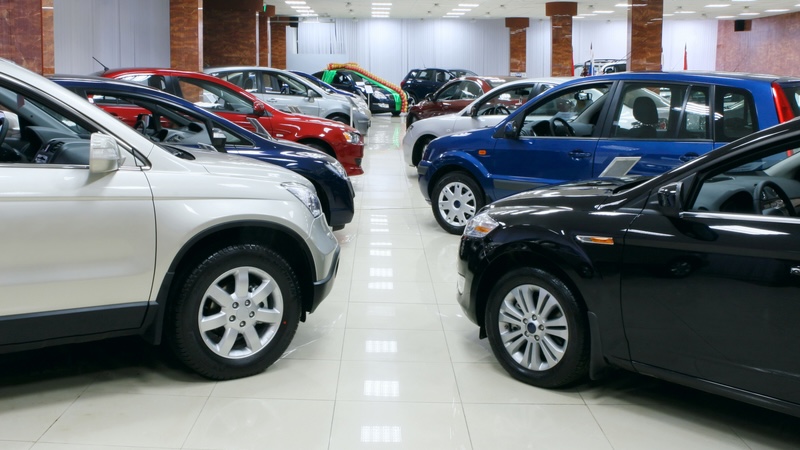
Despite high prices on cars, these car shopping tips from Beth Braverman of Kiplinger’s Personal Finance can help you get a good deal to make the most of your money.
Car prices are historically high. New cars now sell for a near-peak average of more than $50,000, while the average list price of a used vehicle has risen 7% over the past year, to more than $27,000, according to Cox Automotive. Tariffs, lingering supply constraints and ongoing inflation are among the reasons for the significant increases.
While purchasing a car today will cost you more than it did just a few years ago, smart shoppers can use strategies to stay on budget. One of the most effective: Buy at the end of the year, when dealers and sales associates are highly motivated to both clear out old inventory and hit their annual sales targets. “The week between Christmas and New Year’s is probably the best time to buy a car, and the reason is that a confluence of things occur at that time,” says Ray Shefska, cofounder of CarEdge, an automotive marketplace and consumer-advocacy platform.
Automakers often see December as their chance to roll out extra year-end or holiday incentives to help them finish the year strong. These incentives might include special financing rates, cash-back rebates or other discounts.
Research from Cox Automotive found that sales incentives on new cars offered last December averaged 7.5% of the transaction price, the highest level recorded all year.
Top car shopping tips
Whether you plan to shop for a car in the coming weeks or are preparing for a purchase further down the road, use these tips to score the best deal.
Narrow your selection
Knowing what you want at the start of your car-shopping journey can save time and make the process less stressful. Focusing on certain types of cars may allow you to stretch your budget further.
Consider an EV. If you’re interested in an electric vehicle — especially given rising gas prices — you’re in luck. Good deals are available now on EVs because many consumers who leased them during the pandemic are returning them, and demand has lagged the supply of new EVs as consumer preference for them slows. Many drivers hesitate to go all-electric given the potential challenges — finding a public charging station on a road trip, for example, and waiting for the battery to charge once you get there.
“Generally speaking, there are more EVs available than there are buyers for them, so you tend to find them at lower prices, and you can negotiate more on them,” says Karl Brauer, executive analyst at ISeeCars.com, a car-shopping search engine.
Although the federal government ended a tax credit of up to $7,500 for qualifying electric vehicles in September 2025, many dealers have stepped in with offers matching that $7,500 cash back. Your state or local power company may also provide a rebate for an EV purchase. Check kbb.com/car-advice/electric-vehicle-rebates-by-state for a list of current incentives.
As you weigh whether an EV is right for you, keep in mind that it may not be the best choice if you cannot install at-home charging, live in a rural area without many public charging stations, or often drive in cold weather, which can drain batteries faster.
Keep an eye out for 2026 models. New 2027 models started hitting dealer lots months ago, turning 2026 models into “old inventory” that dealers are motivated to sell. That creates more negotiating opportunity for you.
“A lot of people don’t know that dealers are making payments on the cars on their lot, so the longer a car sits unsold, the more it has cost the dealer, and the more motivated they are to move it,” says Sean Tucker, managing editor at Kelley Blue Book. “So if you find a 2026 model in December, absolutely, that’s going to be the cheaper option.”
Even before you start negotiating, you’ll save by buying a 2026 model because prices for newer models tend to go up by about 3% per year compared with the previous generation. Plus, some manufacturers also offer incentives to move outgoing inventory as quickly as possible.
A downside to using this strategy: You may have fewer options when it comes to selecting the model, trim level or color of your car, because the selection will be slimmer. “Don’t be quite as picky as you might normally be, and just take advantage of the fact that you’re able to save a lot of money,” Shefska says.
Think small. Unless you have good reasons to buy a big car — you have a large family, say, or you regularly lug around equipment — consider a sedan or compact SUV. The manufacturer’s suggested retail price for a new small car or sedan often starts at less than $30,000, making a small vehicle a compelling choice for the budget-minded. Small cars command lower prices than larger vehicles in the used-car market too.
“Sedans can be a really good value because most people want SUVs now,” says LeeAnne Shattuck, founder of The Car Chick, a car-buying service. “A lot of times people will overlook the nice, midsize sedans. So they will often have some better incentives on them than the more popular SUVs.”
If you need a larger car for just a day or week a year (such as when family is visiting), you can rent one for far less than the amount you’ll save by purchasing a smaller car. Plus, smaller cars tend to get better gas mileage and have lower insurance rates. An analysis from AAA found that the total annual cost of owning and operating a small 2026 sedan was 19% less than the expense of a compact SUV and 35% less than that of a midsize SUV.
“If you don’t really need a bigger car that costs more up front, costs more to fuel and costs more to insure, you probably shouldn’t buy one,” Brauer says.
Check out reliable used cars. Edmunds data shows that a three-year-old, non-luxury certified preowned vehicle costs, on average, 4%, or $1,328, more than a traditional used vehicle. CPOs have passed a manufacturer’s inspection and come with like-new warranty coverage. If you’re considering a used vehicle, those protections might be worth the premium over other used cars.
Aim to buy a CPO from a same-brand dealer — for example, a certified preowned Honda vehicle from a Honda dealership. “Dealer-certified” cars, sold by a different manufacturer, typically haven’t gone through as thorough an inspection and do not have the same warranty protection.
Prepare before you hit the lot
Doing some legwork in advance of visiting an auto retailer can save you money and give you more leverage in negotiations. “If you haven’t done the research, it becomes a game where the dealer has more advantages,” says Joseph Yoon, market insights manager with Edmunds.
Take these steps to set yourself up for success.
Figure out your budget. Knowing your financial limit before you start shopping can help you avoid overspending and ensure that buying a car won’t compromise your other financial goals. “Dealership personnel are trained to extract as much money from the customer and as much profit as possible,” Shefska says. “So it’s really important for a customer to understand what their budget is.”
You can use calculators from Kelley Blue Book (kbb.com/car-affordability-calculator) or LendingTree (lendingtree.com/auto/calculators/payment) to help determine the right number. One rule of thumb: Aim to keep your car payment below 10% of your take-home pay, and your total auto costs (including gas, maintenance, insurance and parking) below 20%, if possible. You can get an estimate of the total cost of ownership using the “Your Driving Cost Calculator” tool from AAA (aaa.com/autorepair/drivingcosts).
If you’re getting a loan, experts recommend putting down at least 10% or more of the car’s price, either in cash or through a trade-in. That will give you a buffer so that depreciation and high interest rates don’t leave you owing more on your loan than the car is worth.
Get preapproved for a loan. Shop around for your auto loan by getting quotes from at least three lenders, and get preapproved for the best one before you enter the dealership. A 2023 research report from the Massachusetts Institute of Technology found that dealers had padded the rates of nearly eight in 10 auto loans in its dataset, with an average markup of 1.13 percentage points above the rate the dealer’s associated lender was offering based on its underwriting.
“You want to go into the dealership with your financing already lined up,” Tucker says. “Then, if the dealer can beat it, great, let them beat it. But you’re not stuck with what they have to offer.”
Going through the loan process early can give you confidence in your budget, letting you filter for cars in that range. But it may also serve a reality check: If it has been several years since you last bought a car, higher interest rates mean the transaction is likely going to cost you a lot more now.
“Even if you have a credit score in the 700s, you’re going to be looking at a rate in the high sixes or low sevens,” Yoon says. “If you haven’t bought a car in a long time, that’s gonna feel deeply, personally insulting.”
Shop online first. Most dealers will now offer you a quote for a specific car online. Shoppers who started their car-buying journey online shaved more than 40 minutes off the time they spent at the dealership, according to Cox Automotive research. In addition to saving time, shopping online also makes it easier to compare prices without heavy pressure from salespeople at the dealership.
Can’t find the car you want? Consider expanding your search radius. “If I offered you $2,000 to drive two hours, you’d probably take it,” Tucker says. “So you should be willing to talk to a dealer that’s two hours away, if it’s going to bring the price down by $2,000.”
Beth Braverman is a contributing writer at Kiplinger Personal Finance magazine. For more on this and similar money topics, visit Kiplinger.com.
©2026 The Kiplinger Washington Editors, Inc. Distributed by Tribune Content Agency, LLC.