Criticism for Avoiding Hearing Aids
His brothers and his coworkers offer their unsolicited opinions
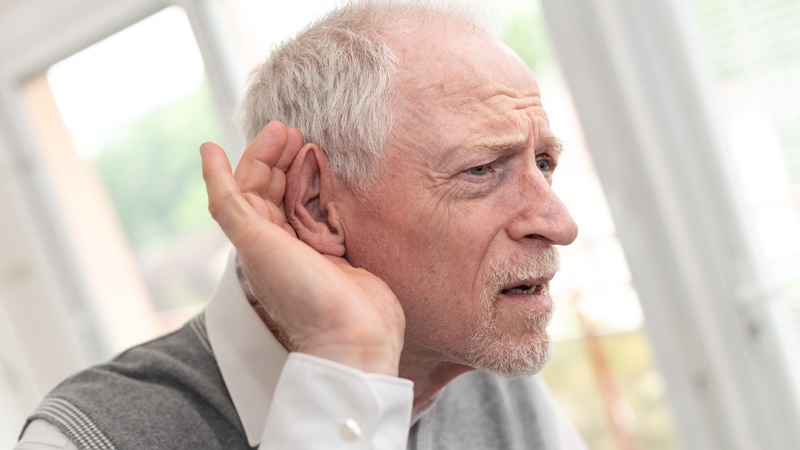
Despite his years of acknowledged hearing loss, a man is still avoiding hearing aids. Now his brothers are pestering him and coworkers are needling him. Advice columnist Eric Thomas weighs in.
Dear Eric:
I am 60 years old and have had hearing loss since grade school. I’d flunk all those screening tests. My two younger siblings also have my same type of hearing loss and have worn hearing aids since their 40s at least.
My siblings are persistent in trying to get me to buy hearing aids, which they feel I need. Yes, I probably need them according to medical tests, but I am avoiding hearing aids due to vanity and, more practically, cost.
I am tired of being judged for my loss of hearing. My siblings came at me today, together, and approached me intervention-style to tell me when and where to buy hearing aids.
People at work have made rude comments pertaining to my hearing. “Oh, you’re so deaf,” “We know you can’t hear us anyway,” et cetera.
Please tell me what to say to people who think my hearing is their business and how to address comments that are so rude. And when I do decide to get hearing aids, how should I respond to the comments I know I’ll get about how much better it is, now you can hear, oh finally you can hear?
– Hearing Jokes
Dear Hearing:
Let’s take your siblings and your coworkers separately. Your coworkers are being too cavalier with their comments. They’re not trying to goad you into seeking treatment; they’re mocking you for a medical condition. They may know that you’ve taken a bold stance about your hearing loss and see that as permission to tease you about it, but they’re overstepping. This is a chance for you to talk to HR about what’s appropriate conversation for the workplace. You can also talk to HR, if you’d like, about options for hearing assistance in your company’s insurance plan.
If your company doesn’t have HR, or you’d rather deal with this head-on, be direct but don’t get drawn into a back-and-forth about it. “It’s inappropriate and unkind for you to make fun of my abilities. If you have an issue with the way I do my job, please address it with me professionally, or we can talk about it with a supervisor.”
As to your siblings, you are obviously entitled to do whatever you want with your body and your health, including avoiding hearing aids. But I’d encourage you to think about their input, aggressive though it may be, as coming from a place of legitimate concern.
Because they share the same hearing loss, they’ve likely had a lot of conversations with medical professionals about their options and their quality of life and so they may feel they’re well-positioned to advise you.
They may fear you’re depriving yourself, or they may be concerned about the increased risk of isolation or the link between hearing loss and dementia. In short, they may see this as an emergency situation. You don’t have to agree. But I would encourage you to think of it less as judgment and more as a hand reaching out, offering help.
Reader reply to writer avoiding hearing aids
Dear Eric:
I’m deaf, gradually lost my hearing and got a cochlear implant in December 1994. I wanted to respond to “Hearing Jokes”, a person with hearing loss whose hearing-impaired siblings staged an intervention because the letter writer didn’t want to get a hearing aid.
I would recommend that “Hearing Jokes” join the Association of Late Deafened Adults (ALDA) and attend some meetings either in person or online. I also recommend joining the Hearing Loss Association of America (HLAA) and attending meetings in person or online. Most of these members (by far the majority) do not identify as deaf but work to find peace of mind first with themselves and then with others.
It is a process to find ways to cope with hearing loss itself and to cope with the feelings of shame and negativity. These people can share their stories with “Hearing Loss” and help the letter writer to find a place of peace within.
– Community and Hope
Dear Community:
Thank you for these great resources. Sometimes friends and loved ones won’t do what they need to do to fix a problem, medical, emotional, psychological, or other. While it’s important to support and sometimes coax them, it’s also crucial to remember that everyone has autonomy. We can’t be forced into doing what’s right for us. What I appreciate about your suggestions is that they offer the letter writer tools to change his or her own mind and to overcome the internal blocks that have impeded addressing the hearing loss in the first place.
Column originally published on Jan. 9, 2026; updated and re-published with the reader reply on Feb. 6, 2026.
Are Over-the-Counter Hearing Aids a Fit for You?
 R. Eric Thomas (he/him) is a national bestselling author, playwright, and screenwriter. His accomplishments include “Eric Reads the News,” a daily humor column covering pop culture and politics, serving as the interim Prudie for the advice column “Dear Prudence,” and “Congratulations, The Best Is Over.”
Send questions to eric@askingeric.com or P.O. Box 22474, Philadelphia, PA 19110. Follow him on Instagram and sign up for his weekly newsletter at rericthomas.com.
©2025 Tribune Content Agency, LLC.
Find more words of wisdom like criticism of a man avoiding hearing aids – from insensitive parents to a husband’s mid-life crisis, DNA surprises, and more:
Boomer Advice for Life department
For advice targeted to senior adults and their families – like caregiving, grandparenting, retirement communities, and more: