Save on Driving Costs
Put the brakes on the money ‘leaking’ out of your car
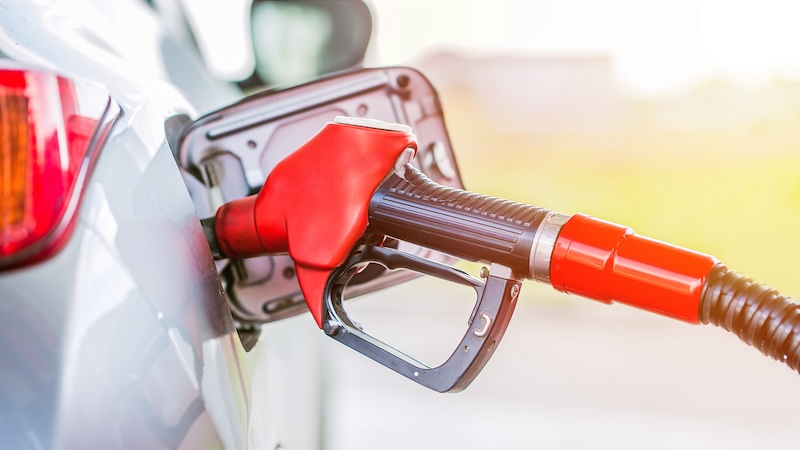
While high gas prices are the most obvious pain point, there are other ways to save on driving costs besides staying home and avoiding the pump. Whether you are looking for budget travel or sticking close to home, David Rodeck of Kiplinger’s Personal Finance has tips for you.
Summer is just around the corner, and with it comes peak driving season as Americans plan vacations, road trips and family get-togethers. But between the Iran war’s impact on gas prices and the post-pandemic jump in car maintenance costs, hitting the road will be a lot more expensive this year.
“Drivers are currently facing all-time-high automotive costs,” says Duane “Doc” Watson, technical trainer at Bosch Automotive Aftermarket in Cocoa, Florida.
Since early January, when gas averaged $2.81 a gallon nationally – the lowest price since 2021 – the cost of filling up at the pump has surged more than 45%. A gallon of regular averaged $4.16 as of early April, it topped $5 in a few states, including California, Hawaii and Washington, and it continues to rise. “If the situation with the Strait of Hormuz continues, prices could be even more elevated by summer,” says Patrick De Haan, head of petroleum analysis at GasBuddy.
Another headache for motorists: The bill for car repairs and maintenance has also soared, climbing 48.8% over the past five years, according to the Bureau of Labor Statistics. That makes it the second-largest jump in consumer prices of any category except car insurance – which, of course, is yet one more pain point for drivers.
Still, while planning an affordable road trip has become more challenging, there are strategies you can use to lessen the burden, from taking advantage of apps, programs and services that lower gas costs to employing driving techniques that improve fuel efficiency – a tactic that the Department of Energy estimates can save you more than $1.50 a gallon when you fill up.
Ideas to help you save on driving costs
Here’s how to get back in the driver’s seat and save on driving costs.
Use apps to save on fuel.
With prices at the pump varying widely even within the same town, it pays to shop around. Apps such as AAA Mobile and GasBuddy allow you to compare gas prices along your route so you can fill up where fuel is cheapest. Navigation tools such as Waze and Google Maps also include gas-station price info by location and can help you avoid traffic and choose more-efficient routes, which saves on time and fuel as well.
When you fill up matters too.
According to a recent GasBuddy analysis, Sunday is typically the cheapest day of the week to fill your tank in most states, followed by Monday, while prices are usually highest midweek, especially on Wednesdays.
Reap your rewards.
Popular gas station chains such as BP, Shell and Exxon offer free loyalty programs that can save you about 3 to 10 cents per gallon simply for being a member. And while paying in cash typically shaves the price of gas by 5 to 10 cents a gallon, you may be able to save even more with a credit card that offers generous rewards on gas purchases.
Rewards cards that offer a category-high 5% cash back on gas include the AAA Travel Advantage Visa Signature, which also offers 3% on grocery store, restaurant and travel purchases and 1% on everything else; Citi Custom Cash, which offers 5% back on whichever of 10 categories – including gas stations – that you spend the most each month, 4% on hotels and other travel booked through Citi, and 1% on everything else; and Costco Anywhere Visa, which offers 5% back on gas purchased from Costco, 4% on gas bought elsewhere, 3% on restaurants and eligible travel, 2% on Costco purchases, and 1% on everything else (you must have a Costco membership, starting at $65 yearly, to use this card).
Up your driving game.
Avoid speeding, rapid acceleration and hard braking, which all waste fuel. While that advice might sound basic, the savings add up. The Department of Energy estimates avoiding these behaviors can improve fuel efficiency by up to 40%.
Also helpful: Plan trips to avoid rush-hour traffic. Your vehicle burns extra fuel when it sits idling.
Lighten your load.
The heavier your vehicle, the worse its fuel efficiency. The more luggage and gear you carry, the more fuel your vehicle will use.
Bulky accessories such as roof and bicycle racks also reduce efficiency by adding weight and increasing air resistance. Cargo on the roof is especially costly, reducing fuel economy by the equivalent of up to 65 cents per gallon on highway driving, the Department of Energy says.
Plan ahead for EV charging.
Electric vehicles avoid gasoline costs, but drivers still need to plan where and when to charge. Rates can vary widely by location and time of day.
Apps such as ChargePoint and PlugShare can help drivers find nearby stations and compare prices. Try to avoid charging during peak driving hours, when electricity is more expensive. Charging during off-peak hours from late at night to early morning reduces costs.
Be proactive with maintenance.
Investing a little time and money in routine maintenance can help you avoid unexpected and expensive hiccups, such as a breakdown or tow.
Key moves as you prepare for an upcoming road trip: Make sure to change the oil in the vehicle, if you’re coming up on the 5,000- to 10,000-mile mark; a $65 oil change can prevent thousands in engine damage later. Check the tire pressure, because proper inflation improves handling, fuel efficiency and tire life. And make sure to test your battery before a long trip as well.
“Summer heat can strain batteries weakened during the winter,” says Watson, who notes many auto shops will check battery health for free.
Save on repairs when needed.
If something breaks in your vehicle, first check whether the issue is covered under your initial warranty. If not, shop around at local garages for quotes. Having a trusted mechanic is valuable, but it still pays to compare prices.
“It’s very useful to have an ongoing relationship with a repair shop,” says Sean Tucker, managing editor for Kelley Blue Book. “My secret is that I keep two and shop them against each other.”
David Rodeck is a contributing writer at Kiplinger Personal Finance magazine. For more on this and similar money topics, visit Kiplinger.com.
©2026 The Kiplinger Washington Editors, Inc. Distributed by Tribune Content Agency, LLC.